
Establishing a proper oral hygiene routine is one of the most valuable habits you can build for your child, and it starts much earlier than most parents realize. The type of baby brush you should use depends entirely on your baby’s current age and teething development stage, transitioning from simple gum stimulation to active plaque removal. Using the correct tool at each phase ensures that your baby remains comfortable, avoids unnecessary pain, and develops a positive association with oral care.
A baby’s oral development progresses through three main phases: pre-teething gum care, early teething with the eruption of the first incisors, and the arrival of multiple teeth including molars. Each phase presents unique anatomical challenges, from bare, sensitive gums to tight spaces between newly emerged teeth. Selecting a tool designed specifically for these developmental milestones is essential for effective cleaning.
Using the wrong brush type can easily cause oral discomfort or lead to ineffective cleaning. For instance, using a toothbrush with firm bristles on bare gums can cause pain and make your baby resist future brushing sessions. Conversely, using a small silicone finger brush when your toddler has a mouth full of molars will not provide enough friction to remove stubborn plaque, increasing the risk of early childhood caries.
Products mentioned in this guide
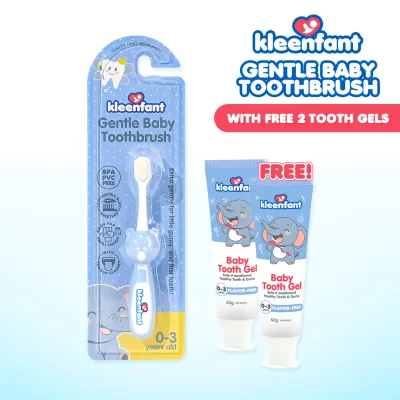
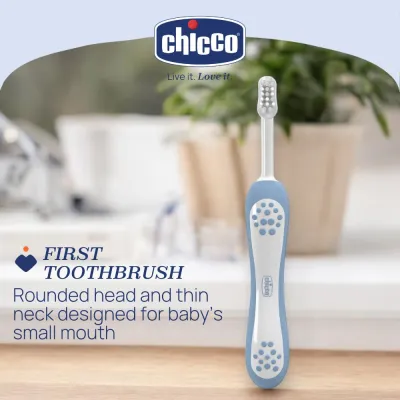
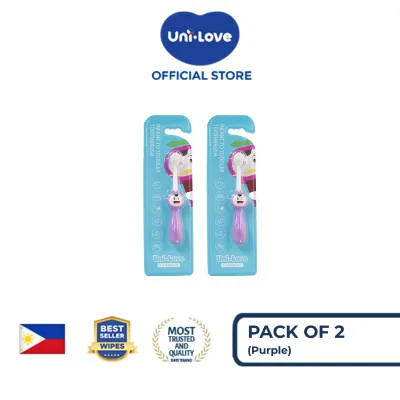
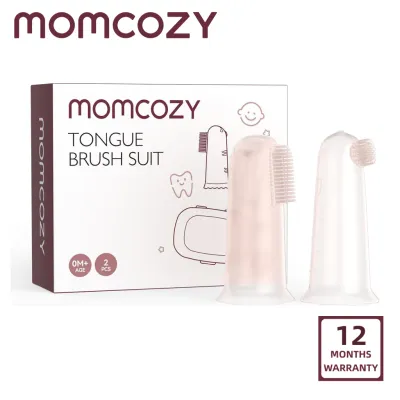

Prices are valid at publication and may change. Please refer to the product page for the latest price.
Oral care must begin well before the first tooth actually cuts through the gums. Cleaning your baby’s mouth after feedings helps remove milk residue, which can ferment and create an environment prone to bacterial growth. Introducing these gentle cleaning rituals early on also desensitizes your baby’s mouth, making the transition to a traditional toothbrush much smoother when they reach toddlerhood.
Stage 1: Caring for Gums and the First Teeth (0–6 Months)
During the first six months of life, your baby’s oral care focuses primarily on keeping the gums clean and soothing the discomfort of early teething. At this stage, traditional bristled toothbrushes are too abrasive for delicate oral tissues. Instead, parents should rely on silicone finger brushes and sterile oral wipes as the primary tools for daily hygiene.
These early oral care tools serve a dual purpose in your baby’s daily routine. First, they gently wipe away milk formula or breastmilk residue that can accumulate on the tongue and gums, reducing the risk of oral thrush. Second, the soft texture of a silicone finger brush allows you to gently massage sore, inflamed gums, which provides natural relief as the first teeth begin to push upward.
To clean your baby’s mouth, wrap a clean, damp sterile gauze around your index finger, or slip on a dedicated silicone finger brush. Gently wipe the upper and lower gums, the inside of the cheeks, and the surface of the tongue at least twice a day, ideally after the first and last feedings. Keep your movements light and circular to avoid triggering a gag reflex or causing friction burns on the delicate tissue.
In the warm and humid climate of the Philippines, milk residue can spoil quickly, making consistent daily cleaning even more critical. When purchasing these early oral care products, always check the product packaging to ensure the silicone or wipe materials are certified food-grade and completely free from harmful chemicals like BPA and phthalates. Always verify the manufacturer’s age recommendations and usage instructions before introducing any new tool to your infant.
Stage 2: Navigating Early Teething and Building Habits (6–12 Months)
As your baby reaches the second half of their first year, the first primary teeth—usually the lower front incisors—will begin to emerge. This milestone marks the transition from simple gum wiping to active brushing. During this stage, you should introduce silicone teething brushes, often designed in banana shapes or with built-in barrier rings, alongside early training brushes with ultra-soft bristles.

When choosing a training brush for this age group, safety features are paramount. Look for brushes equipped with built-in choke guards or wide barrier rings. These physical barriers prevent your baby from pushing the brush too far back into their mouth, which can trigger a painful gag reflex or cause an accidental choking hazard if they lose their balance while holding the brush.
To build healthy habits, implement the “practice and assist” method during your daily routine. Allow your baby to hold, chew, and explore the silicone teething brush under your close supervision, which helps them get used to the sensation of bristles and builds hand-eye coordination. Afterward, you must follow up with a proper, thorough cleaning using an ultra-soft-bristled training brush to ensure all surfaces of the new teeth are cleaned.
Silicone teething brushes are especially useful during active teething spikes when your baby’s gums are highly inflamed. The flexible, nubby textures of these brushes provide a safe surface for chewing, which helps relieve pressure on the emerging teeth. However, keep in mind that silicone nubs do not replace the plaque-clearing ability of actual soft bristles, so the two tools should be used in tandem.
Stage 3: Cleaning Multiple Teeth in Toddlerhood (12+ Months)
By the time your baby celebrates their first birthday, their diet is expanding to include a wider variety of solid foods, and more teeth, including the first molars, are beginning to appear. This shift requires a transition to tools that can effectively clear food debris and stubborn plaque from the deep grooves of the molars. At this stage, you should transition to a soft-bristle baby toothbrush with a small, compact head designed specifically for toddler mouths.
An alternative option that many parents find helpful during this stage is the 360-degree bristle toothbrush. These brushes feature layers of ultra-soft bristles that wrap entirely around the brush head, allowing you to clean multiple tooth surfaces simultaneously. This design is particularly beneficial for wiggly toddlers who may not sit still long enough for a traditional, single-sided brushing technique.
Despite your toddler’s growing desire for independence, active parental assistance and supervision remain mandatory. Toddlers do not possess the manual dexterity required to clean their teeth thoroughly, so you should always perform a complete re-brushing after they have had their turn. Supervision is also critical to ensure they do not swallow toothpaste or bite down excessively on the brush head, which can damage the bristles.
When shopping for a toddler toothbrush, pay close attention to the handle design. Look for an ergonomic, non-slip handle that features rubberized grips. This design ensures that the brush is easy for your toddler’s small hands to hold as they practice, while also providing a secure, comfortable grip for you when you step in to finish the job.
Essential Safety Features to Check Before Buying
Selecting the right baby brush requires looking beyond attractive colors and cartoon characters. Parents must evaluate several critical safety features to ensure the product is safe for daily oral use.
- Material Safety: Always inspect the product packaging for explicit labels confirming that the toothbrush is BPA-free, phthalate-free, and made of 100% food-grade silicone or non-toxic, lead-free plastics. Since babies naturally chew on their toothbrushes, verifying these material standards is a non-negotiable step.
- Bristle Softness: Ensure that the bristles are explicitly labeled as "extra soft" or "ultra soft." Standard "soft" bristles designed for older children or adults can easily scratch a baby's delicate enamel and irritate their sensitive gums, leading to bleeding and discomfort.
- Choke Guards: For any training brush intended for infants under 12 months, verify that it includes a removable or built-in choke guard. This wide shield prevents the brush from entering too deep into the oral cavity, protecting your baby's airway during independent play.
- Structural Integrity: Before every single use, physically inspect the brush for loose parts, weak joints, or shedding bristles. Gently tug on the bristles to ensure they are securely anchored, and immediately discard any brush that shows signs of tearing, cracking, or wear.
Daily Brushing Routine and Toothbrush Maintenance
Maintaining the hygiene of your baby’s toothbrush is just as important as the brushing process itself. A contaminated brush can introduce unwanted bacteria into your baby’s mouth, compromising their oral health.
After every brushing session, rinse the toothbrush thoroughly under clean, running water. Ensure that all visible food particles, saliva, and toothpaste residue are completely washed away from the base of the bristles. For silicone finger brushes, you can occasionally wash them according to the manufacturer’s sterilization instructions, but avoid using harsh chemical cleaners.
In the tropical and highly humid climate of the Philippines, proper storage is vital to prevent the growth of mold, mildew, and bacteria. Always store your baby’s toothbrush upright in an open cup or holder placed in a well-ventilated area. Never cover the brush head with a plastic cap or store it in a closed container while it is still damp, as the trapped moisture creates an ideal breeding ground for pathogens.
As a general rule, you should replace your baby’s toothbrush every two to three months. However, you must replace it immediately if you observe frayed, splayed, or bent bristles, as worn bristles lose their cleaning efficiency and can scratch the gums. Additionally, always discard and replace the toothbrush after your baby recovers from a viral or bacterial illness to prevent reinfection.
Finally, consult your pediatric dentist to receive personalized advice on when to introduce toothpaste and the appropriate fluoride concentration for your child’s specific needs. They can help you determine the correct balance between cavity prevention and safety, ensuring your baby’s smile stays healthy and bright.
Frequently Asked Questions (FAQ)
When should I start using toothpaste with a baby toothbrush?
You can begin using a baby toothbrush with just clean water for the first few months of oral care. Before introducing any toothpaste, consult a pediatric dentist to get professional guidance on the correct fluoride concentration and the safe amount to use, which is typically a tiny smear the size of a single grain of rice to minimize the risk of swallowing.
How often should I replace my baby's toothbrush?
A baby’s toothbrush should generally be replaced every two to three months to maintain hygiene and effectiveness. However, you should replace it immediately if you notice frayed or bent bristles, discoloration, visible wear on silicone parts, or right after your baby recovers from an illness like a cold or a viral infection.
Community discussion
Share your experience or ask a question. Comments are reviewed before publication.