
Transitioning your newborn to cloth diapers can feel like a daunting task, especially with the wide array of modern options available today. However, for generations of Filipino mothers, the classic lipton baby lampin has remained a trusted, breathable, and highly economical choice for infant care. Learning how to properly fold, fit, wash, and maintain these cotton cloth diapers is the key to a successful, leak-free experience that keeps your baby’s skin dry and healthy. By mastering a few basic techniques, you can easily integrate reusable diapers into your daily parenting routine while significantly reducing your household’s environmental footprint.
Preparing for Your Cloth Diaper Journey
Choosing to use reusable diapers brings clear financial advantages to your household budget. In the Philippines, a family can spend thousands of pesos on single-use disposable diapers over a baby’s first two years. By investing in a high-quality stash of lipton baby lampin, you can dramatically lower these recurring expenses, as cloth diapers can be washed and reused hundreds of times, and even passed down to younger siblings. Beyond the clear financial savings, making the switch helps minimize the volume of non-biodegradable waste that ends up in local landfills.
Before you begin, gathering the right accessories will make your daily routine much smoother. You will need a dedicated diaper pail with a loose-fitting lid or a breathable mesh liner to store soiled diapers before wash day. For outings and trips to the pediatrician, a waterproof wet bag with zippered compartments is essential for keeping clean and dirty items separate. Additionally, you should select a mild, baby-safe laundry detergent that is free from optical brighteners, synthetic fragrances, and fabric softeners, which can compromise the fabric’s performance.
Products mentioned in this guide
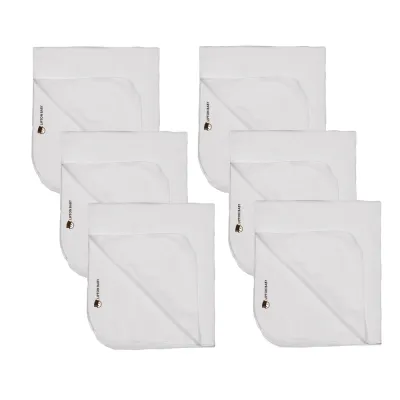

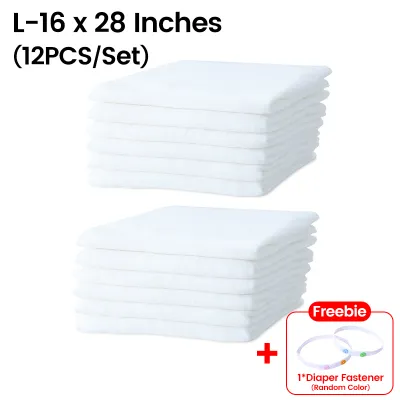


Prices are valid at publication and may change. Please refer to the product page for the latest price.
Before your baby wears their new diapers for the first time, proper preparation is essential. Always read and follow the specific care labels on your Lipton packaging for any manufacturer-recommended prep washes. New cotton gauze or bird’s-eye fabric contains natural oils that must be washed away to unlock the material’s maximum absorbency. Washing the diapers two or three times before their first use ensures they are fully prepared to absorb moisture efficiently from day one.
Step-by-Step Guide to Fitting Lipton Baby Lampin
Fitting a traditional flat cloth diaper requires a bit of practice, but it quickly becomes second nature. Depending on the specific style of Lipton lampin you have, you will first need to prepare the fabric. For classic square flat diapers, you can use traditional folds like the origami fold, the kite fold, or the simple rectangle fold to concentrate the absorbency where your baby needs it most. If you are using a modern pocket cover, neatly fold the lampin into a rectangular insert and slide it smoothly inside the cover’s opening.

Once the fabric is prepared, place your baby safely on a clean, flat changing mat or table. Gently lift your baby by the ankles—never by the legs—and slide the folded diaper underneath them. Ensure the back edge of the diaper sits at the correct height, aligned neatly with your baby’s natural waistline. The front of the diaper should then be pulled up over the tummy, ensuring the fabric lies flat and smooth against the skin without bunching.
Securing the diaper correctly is vital for comfort and leak prevention. If you are using traditional safety pins, always place your hand between the diaper fabric and your baby’s skin to prevent accidental pricks. If you prefer modern fasteners, secure the snaps or velcro tabs snugly across the waist. To ensure the diaper is not too tight, apply the “two-finger rule” by sliding two fingers easily between the diaper waistband and your baby’s tummy. This allows enough room for your baby to breathe and move comfortably while sitting or crawling.
After securing the waist, turn your attention to the leg openings. Gently run your finger around the leg elastics or the folded edges of the fabric to pull out any tucked-in material, creating a secure seal against the thighs. This step is crucial for preventing side leaks, especially during active playtime or naps. Finally, always observe safety boundaries for newborns: ensure the top of the diaper is folded down so it does not rub against or cover the sensitive umbilical cord stump, keeping the area dry and clean.
Daily Use and Hygiene Management
Maintaining a consistent changing schedule is the foundation of excellent skin hygiene when using cloth diapers. Unlike disposables, which contain chemical gelling agents to lock away wetness, natural cotton fibers will feel damp against your baby’s skin when wet. To prevent moisture-related irritation and diaper rash, plan to change the diaper every two hours during the day, or immediately after your baby has a bowel movement. Frequent changes keep the skin dry and prevent the breakdown of the skin’s natural protective barrier.
Handling solid waste efficiently depends largely on your baby’s diet. For exclusively breastfed infants, the waste is completely water-soluble and can go directly into your washing machine or pre-rinse bucket without manual scraping. However, once your baby transitions to formula or begins eating solid foods, the waste must be disposed of properly. You can make this process easier by using flushable or reusable diaper liners, which catch the solids so you can easily drop them into the toilet before placing the diaper in the wash bin.
Proper storage of soiled diapers between washes is critical, especially in warm, humid climates. Always store dirty diapers in a well-ventilated dry pail or a breathable hanging wet bag rather than an airtight container. Sealing wet diapers in airtight plastic bins traps moisture and heat, creating an ideal breeding ground for bacteria, mold, and strong ammonia buildup. If you must store diapers for more than two days before washing, ensure they are kept in a cool, well-ventilated area of your home.
While cloth diapers are highly breathable, you must always monitor your baby’s skin for any signs of redness or irritation. If a persistent diaper rash develops and does not improve with frequent changes and air-drying, temporarily pause your cloth diaper use. Switch to a temporary alternative and consult your pediatrician or a qualified healthcare professional for an accurate diagnosis. Avoid self-diagnosing or applying heavy barrier creams directly to the diaper fabric without professional guidance.
Proper Washing and Drying Routine for Humid Climates
Washing cloth diapers in a tropical climate requires a systematic approach to ensure they remain thoroughly sanitized and highly absorbent. Begin your laundry routine with a cold or lukewarm pre-rinse cycle without any detergent. This initial rinse flushes out loose waste, urine, and organic matter from the cotton fibers, preventing stains from setting permanently into the fabric during the main hot wash.
For the main wash, select a warm or hot water cycle, making sure to stay within the maximum temperature limits specified on your Lipton product label to protect the fabric’s integrity. Use a high-quality, cloth-safe laundry detergent, adding the amount recommended by the detergent manufacturer for a heavily soiled load. Ensure the water level in your machine is sufficient to allow the diapers to agitate freely against one another, which provides the physical scrubbing action needed to clean deep within the weave.
To preserve the lifespan and performance of your diapers, there are several common laundry products you must strictly avoid. Never use fabric softeners, liquid starch, or dryer sheets, as these products leave a waxy chemical residue over the cotton fibers that repels moisture and ruins absorbency. Additionally, avoid using chlorine bleach or harsh chemical stain removes unless specifically instructed by the manufacturer, as these strong agents can degrade the cotton fibers, damage waterproof covers, and cause severe skin irritation for your baby.
After the main wash, run an extra rinse cycle to guarantee that all detergent residue is completely flushed out of the fabric. Residual detergent trapped in the fibers can combine with urine to cause ammonia burns or contact dermatitis on your baby’s sensitive skin. Once the wash is complete, take advantage of the abundant tropical sunshine. Hanging your clean, damp diapers on an outdoor clothesline (sampayan) under direct sunlight is the most effective natural method for sanitizing the fabric and naturally fading organic stains.
During the rainy season (tag-ulan) or periods of high humidity, drying diapers completely can be a challenge. It is absolutely critical to ensure that every diaper is 100% dry before you fold and store them in your closet. Storing even slightly damp cotton diapers in a humid room will quickly lead to mold and mildew growth, which can ruin your stash and irritate your baby’s skin. If you must use a mechanical clothes dryer during wet weather, always select a low-heat setting to protect any elastic bands or waterproof laminates from heat damage.
Troubleshooting Common Cloth Diaper Issues
Even with a careful routine, you may occasionally encounter minor issues with your cloth diaper stash. If you experience frequent leaks, begin by checking the fit around your baby’s waist and thighs to ensure there are no gaps. Next, evaluate if the diaper is simply saturated; as your baby grows, you may need to add an extra absorbent insert or double-fold the lampin to handle increased urine volume. If the fabric seems to repel liquid instead of absorbing it, this is often a sign of detergent buildup or accidental exposure to fabric softeners.
A strong, pungent ammonia smell when your baby urinates indicates that detergent residues or mineral deposits have accumulated in the fabric fibers. To resolve this, you may need to “strip” your diapers to deep-clean the material. Always consult the manufacturer’s official guidelines or care instructions for safe stripping methods rather than experimenting with harsh household chemicals or vinegar mixtures, which can degrade the cotton. Ensuring a thorough rinse during every regular wash cycle is the best way to prevent this buildup from returning.
For stubborn organic stains that persist after washing, avoid reaching for chemical bleaches. Instead, harness the natural power of the sun by laying your clean, freshly washed, damp diapers flat on a clean surface in direct sunlight for a few hours. The sun’s ultraviolet rays act as a gentle, natural bleaching agent that safely fades yellow stains without weakening the cotton fibers or irritating your baby’s delicate skin.
Frequently Asked Questions (FAQ)
Can I use regular diaper cream with cloth diapers?
No, you should avoid using standard petroleum-based or high-zinc oxide diaper barrier creams directly with cloth diapers. These heavy creams are designed to repel moisture, and they will coat the cotton fibers of your lampin, creating a waterproof barrier that permanently ruins the diaper’s absorbency. If your baby requires a standard medicated cream, always place a reusable polyester fleece liner or a disposable paper liner between your baby’s skin and the diaper to protect the fabric, or switch to a specialized, cloth-safe diaper balm.
How many cloth diapers do I need for a newborn?
Newborn babies have very frequent elimination patterns and typically require 8 to 12 diaper changes every single day. To calculate the ideal stash size for your household, consider your planned laundry frequency rather than relying on a single rigid number. For example, if you plan to wash your diapers every two days, you will need a stash of roughly 24 to 30 diapers to ensure you have enough clean lampin on hand while the dirty ones are being washed, rinsed, and dried completely.
Community discussion
Share your experience or ask a question. Comments are reviewed before publication.