
Choosing your baby’s first diapering system is one of the most important decisions you will make as a new parent. For many mothers in the Philippines, transitioning to reusable options is a practical, budget-friendly, and environmentally conscious choice. A starter set of 12 pieces is an excellent entry point to test the waters of modern cloth diapering without feeling overwhelmed by laundry or upfront costs. In a tropical climate where high humidity can affect drying times and baby’s skin comfort, selecting the right materials and diaper styles is key to a successful experience.
Starting your cloth diapering journey with a dedicated newborn set ensures a snug, leak-free fit during those first crucial weeks. Newborns have unique physical proportions, including tiny legs and a healing umbilical cord stump, which standard “one-size” diapers often fail to accommodate properly. By focusing on a manageable 12-piece collection, you can establish a comfortable routine, learn the washing process, and decide which diapering style works best for your family’s lifestyle before investing in a larger stash.
Understanding Newborn Cloth Diaper Styles
When exploring a starter set, you will encounter several distinct diapering systems, each with its own balance of convenience, drying speed, and bulkiness. The three most common modern styles are All-in-Ones (AIOs), pocket diapers, and cover-and-insert systems. Understanding how these designs function in daily use will help you choose the best option for your newborn’s frequent changes.
Products mentioned in this guide



Prices are valid at publication and may change. Please refer to the product page for the latest price.
All-in-One diapers are designed to mimic the simplicity of disposable diapers. The absorbent core is sewn directly into the waterproof outer shell, meaning there is no assembly required before or after washing. While AIOs are incredibly user-friendly for tired parents and babysitters, they have a significant drawback in humid climates: they take the longest to dry. Because the thick absorbent layers are permanently attached to the waterproof backing, you cannot separate them to speed up line drying under the sun.
Pocket diapers feature a waterproof outer layer and a stay-dry inner lining that forms a pocket. You stuff the absorbent inserts into this pocket before putting the diaper on your baby. This style allows you to customize the absorbency by adding more inserts as your baby grows. Pocket diapers dry much faster than AIOs because the inserts are removed and washed separately. However, they require extra preparation time after every laundry cycle, as you must stuff each pocket before the next use.
The cover-and-insert system is often considered the most economical and flexible choice for newborns. This system consists of a waterproof diaper cover (or wrap) and separate absorbent inserts, which can be laid directly inside the cover. When your baby wets, you simply remove the wet insert, wipe down the inside of the waterproof cover, and place a fresh insert inside. This allows you to reuse the same cover multiple times before washing it, making a 12-piece set go much further.
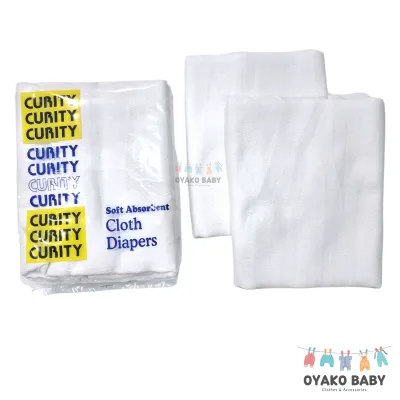
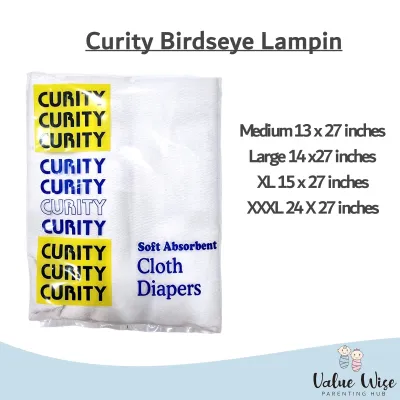
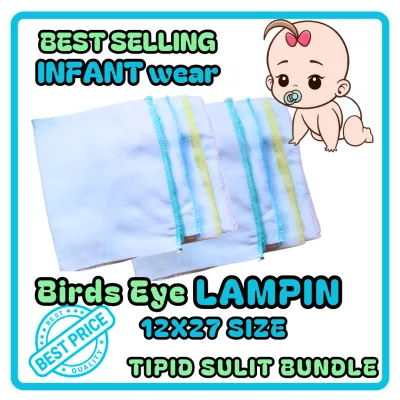
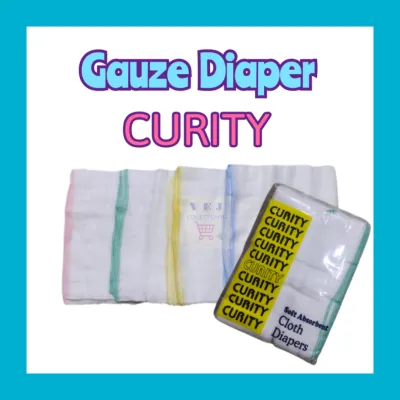
Traditional flat or prefold diapers—often referred to locally as classic lampin—represent another highly breathable and fast-drying option. These are simple sheets of woven cotton that you fold around the baby and secure with fasteners or a snug diaper cover. While they have a steeper learning curve for first-time parents who must master various folding techniques, they are exceptionally easy to wash, dry incredibly fast in tropical weather, and are highly gentle on delicate newborn skin.
Evaluating Sizing and Fit for Newborns
Achieving a proper fit is the single most important factor in preventing leaks and blowouts with newborn cloth diapers. Because newborns grow rapidly and have very different proportions than older infants, standard one-size diapers are often too bulky and loose around the thighs. A dedicated newborn diaper set is specifically patterned to fit babies weighing roughly 2 to 5 kilograms, ensuring a secure seal around their tiny bodies.

When selecting your set, look for diapers with adjustable rise snaps on the front. These snaps allow you to shorten or lengthen the diaper’s rise, which is the distance from the front waistband, through the crotch, to the back waistband. By adjusting these snaps, you can customize the fit to match your baby’s height, ensuring the diaper sits snugly against the stomach and thighs without gaping. Gaps around the legs are the primary cause of liquid newborn stool escaping the diaper.
Another critical design feature to look for in newborn cloth diapers is an umbilical cord snap-down or cutout. A newborn’s umbilical cord stump must be kept clean, dry, and free from friction to heal properly and prevent irritation. Diapers with a specialized snap-down button in the front center allow you to fold the front waistband downward, keeping the fabric completely clear of the sensitive umbilical area until the stump naturally falls off.
The elastic leg openings, or leg gussets, require careful inspection. Double leg gussets—which feature an extra inner elastic barrier—provide superior containment for explosive newborn messes. The elastics should be gentle enough to prevent deep red marks on your baby’s delicate skin, yet firm enough to create a reliable seal. When putting the diaper on, always run a finger along the leg elastics to ensure they are tucked into the groin crease, much like underwear, rather than sitting on the outer thigh.
Assessing Absorbency and Skin-Friendly Materials
A newborn’s skin is incredibly thin and sensitive, making the choice of diaper materials highly consequential. The fabric that rests directly against your baby’s skin must be soft, breathable, and capable of quickly drawing moisture away to prevent diaper rash. At the same time, the inner absorbent core must hold liquid effectively under pressure when the baby is lying down.
Common insert materials include microfiber, cotton, bamboo, and hemp, each offering different levels of absorbency speed and capacity. Microfiber is a synthetic material that absorbs liquid incredibly fast, making it excellent for catching sudden rushes of wetness. However, microfiber is prone to compression leaks—meaning liquid can squeeze out when the baby sits or rolls over— and it must never be placed in direct contact with your baby’s skin, as it can cause severe dryness and irritation. Always place microfiber inside a pocket or under a stay-dry barrier.
Natural fibers like cotton, bamboo, and hemp are highly recommended for direct skin contact. Cotton is a reliable, breathable, and durable classic that washes easily and dries relatively quickly. Bamboo is softer, more absorbent than cotton, and naturally trim, though it takes slightly longer to dry. Hemp is the ultimate heavy-wetter material, offering maximum absorbency in a very thin profile, but it absorbs slowly and is best paired with a fast-absorbing cotton or bamboo topper.
To protect your baby’s skin from prolonged moisture exposure, many modern cloth diapers feature a stay-dry top layer made of microfleece or athletic wicking jersey (AWJ). These synthetic fabrics allow liquid to pass straight through to the absorbent insert underneath while remaining dry to the touch. If you prefer a completely natural fiber routine, you can use cotton or bamboo inserts and add reusable stay-dry liners on top, or simply commit to changing the diaper immediately upon wetting. Frequent changes remain your primary defense against diaper rash, regardless of the material used.
Building Your 12-Piece Newborn Cloth Diaper Set
A 12-piece starter set (often searched as a lampin for baby 12pcs newborn set) is a practical way to introduce cloth diapering into your daily routine. However, how you allocate these 12 pieces depends entirely on the diapering system you choose. Understanding the ratio of waterproof covers to absorbent inserts will help you maximize your budget and minimize laundry stress.
If you choose an All-in-One (AIO) or pocket diaper system, a 12-piece set means you will have exactly 12 complete diaper changes. Because the entire diaper must be washed after every wet, 12 diapers will typically last a newborn about half a day to a full day, depending on how frequently they soil themselves. For these systems, a 12-piece set is best used as a part-time trial or as a supplement to other diapering methods while you establish your washing routine.
If you opt for a cover-and-insert system, your 12-piece set can be structured much more efficiently. You might choose a ratio of 3 to 4 waterproof diaper covers and 8 to 9 absorbent inserts or prefold diapers. Because the waterproof covers can be wiped clean and reused if they are not soiled with stool, you only need to change the wet insert at each diaper change. This configuration allows you to get up to 9 diaper changes out of your 12-piece set, making it a highly cost-effective starter option.
When building your starter set, do not forget to account for essential accessories that make daily management easier. Including one or two waterproof wet bags in your initial setup is highly recommended for storing soiled diapers when you are away from home or waiting for laundry day. If you are using traditional flat lampin or prefolds, you will also need to allocate a portion of your budget or set count to secure fasteners, which hold the folded fabric in place without the risk of safety pins.
Checking Ease of Use and Laundry Preparation
Before purchasing your first cloth diaper set, it is vital to consider how the diapers will fit into your daily household chores and laundry setup. The ease of fastening a diaper during a middle-of-the-night change and the steps required to wash and dry the fabrics will determine your long-term success with cloth diapering.
Diaper closures generally come in two options: snaps or hook-and-loop (often referred to as Velcro). Hook-and-loop closures offer a highly adjustable, familiar fit that is very similar to disposable diapers, making them incredibly easy for beginners, grandparents, or babysitters to use. However, they can wear down over time in the wash and may scratch your baby’s skin if not fastened carefully. Snap closures are highly durable, resist curious toddler hands, and look neat, but they can take slightly longer to fasten on a wriggling newborn.
Reviewing the manufacturer’s washing instructions before buying is essential to ensure compatibility with your home laundry routine. Most modern cloth diapers require a simple two-cycle wash process: a short, cold pre-wash to remove waste, followed by a long, warm or hot heavy-duty wash with a residue-free detergent to thoroughly clean the fibers. Avoid using fabric softeners, bleach, or laundry sanitizers unless explicitly approved by the manufacturer, as these products can coat the fibers and cause the diapers to repel liquid instead of absorbing it.
Finally, keep in mind that natural fiber inserts—such as those made of unbleached cotton, bamboo, or hemp—require a preparation process before their first use. These natural materials contain natural oils that must be washed away to unlock their full absorbency. You will need to pre-wash natural fiber inserts multiple times (often three to five times) with detergent before they are ready for your baby. Synthetic materials like microfiber and stay-dry covers only require a single wash before their first use.
Frequently Asked Questions (FAQ)
Can I use one-size cloth diapers for a newborn instead of a specific newborn set?
While one-size cloth diapers are highly economical because they are designed to fit from birth to potty training, they are rarely a perfect fit for newborns. Most one-size diapers have a minimum weight recommendation of around 3.5 to 4 kilograms, which many newborns do not reach for several weeks. Attempting to use these larger diapers on a tiny baby often results in excessive bulkiness, restricted leg movement, and significant leg gaps that lead to leaks. Checking the manufacturer’s specific weight guidelines is crucial before relying on one-size options from day one.
How many cloth diapers do I actually need beyond the 12-piece starter set?
A typical newborn requires between 10 and 12 diaper changes per day due to their frequent feeding and elimination cycles. If you plan to cloth diaper full-time and wash your diapers every two days, you will realistically need a total stash of 24 to 36 diapers to allow for washing, drying, and prep time. A 12-piece starter set is an excellent way to practice your routine, test different styles, and see how your laundry dries in your local climate before committing to a larger, full-time investment.

Community discussion
Share your experience or ask a question. Comments are reviewed before publication.