
Selecting the right 20-piece baby wipe bundle for your daily routine comes down to verifying three core elements: fabric composition, ingredient safety, and the actual cost per sheet. While a 20-piece pack is highly convenient for travel, diaper bags, or quick outings in warm tropical weather, these smaller formats can vary significantly in moisture retention and price efficiency. To find the most suitable option, you must look past marketing claims and directly examine the product’s packaging for specific fabric weaves, water percentages, and preservative listings.
In the Philippines, where high humidity and heat can affect both skin sensitivity and product shelf life, choosing a high-quality bundle ensures your baby’s skin remains clean and free from irritation. Rather than relying on brand names alone, a systematic check of the label’s ingredient list and physical sheet thickness will guide you to a bundle that offers both skin safety and practical value.
Key Factors for Evaluating 20-Piece Wipe Bundles
When comparing 20-piece baby wipe bundles, the physical characteristics of the individual sheets dictate how well they perform during diaper changes. A standard travel-sized pack must maintain its structural integrity and moisture level from the first sheet to the last. Because these smaller packs contain fewer sheets, they are highly susceptible to drying out if the packaging seal is weak or if the formulation lacks adequate moisture-binding properties.
Products mentioned in this guide
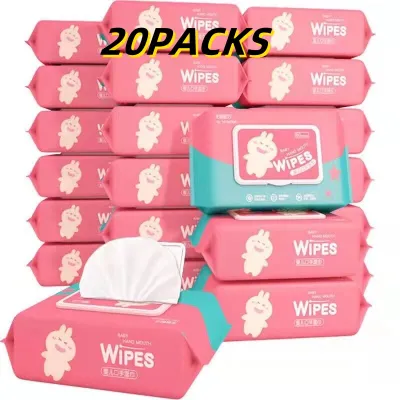
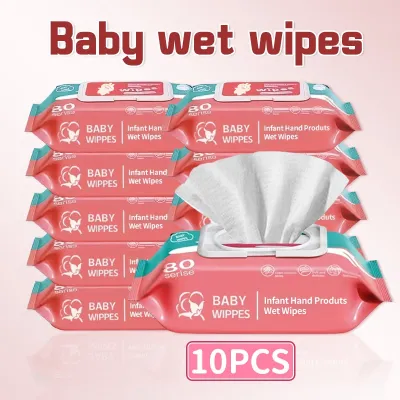
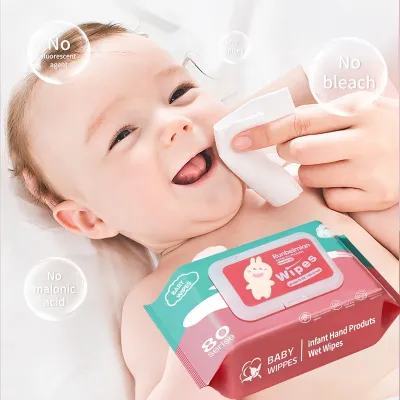
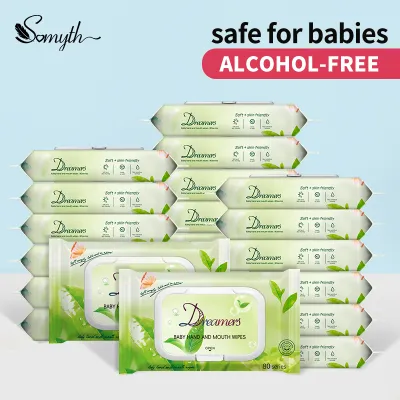
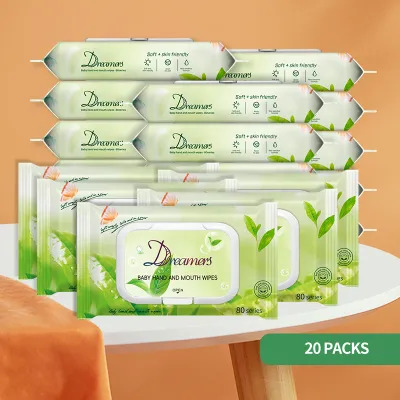
Prices are valid at publication and may change. Please refer to the product page for the latest price.
Fabric composition is the first critical factor to evaluate on the product label. High-quality wipes typically feature a blend of fibers that balance softness with tensile strength. You should check whether the fabric has a textured or embossed weave, which helps lift messes more effectively than flat, smooth sheets. A textured surface reduces the friction required to clean your baby’s skin, minimizing the risk of mechanical irritation during frequent changes.
Ingredient transparency is equally vital when assessing bundle quality. The primary ingredient in any baby wipe should be purified water, often listed as aqua or water on the packaging. You should look for formulations that specify a high percentage of purified water, ideally above 99 percent, to ensure the wipe cleanses without leaving a heavy chemical residue. The remaining ingredients should consist of mild, skin-conditioning agents and food-grade preservatives that prevent bacterial growth in warm, humid conditions.
Finally, the physical dimensions and thickness of the sheets determine the overall utility of the pack. Thinner wipes often fold or tear during use, forcing you to use multiple sheets for a single diaper change. When evaluating a bundle, check the packaging for the fabric’s basis weight, often measured in grams per square meter (GSM). A higher GSM indicates a thicker, more absorbent wipe that can handle larger messes with a single sheet, ultimately preserving the value of your 20-piece pack.
Comparing Wipe Materials and Ingredient Profiles
The choice of material directly influences both the tactile softness of the wipe and its environmental footprint. Plant-based fibers, such as viscose, rayon, or cotton, are highly valued for their natural softness and excellent moisture retention. These fibers are gentle on delicate skin and tend to glide smoothly without dragging. Conversely, synthetic fibers like polyester add strength and stretch to the wipe but may feel less breathable and can sometimes cause friction-induced redness on highly sensitive skin.

Decoding the ingredient list is a necessary step to protect your baby from common skin irritants. Many commercial wipes contain synthetic fragrances, alcohol, and harsh preservatives to extend shelf life, but these additives can easily disrupt the skin’s natural barrier. You should actively avoid products containing ethyl alcohol, parabens, phenoxyethanol, and phthalates. In tropical climates, where sweat and friction already compromise the skin barrier, these chemicals can trigger contact dermatitis or worsen existing diaper rash.
To verify the safety of a wipe bundle, look for specific dermatological claims printed directly on the packaging. Terms like “hypoallergenic,” “pH-balanced,” and “dermatologically tested” serve as helpful indicators, but you should verify these claims by checking for independent certification seals or clinical test references on the manufacturer’s official documentation. A pH-balanced wipe should match the natural, slightly acidic pH of healthy baby skin, which typically ranges between 4.5 and 5.5, to help maintain the skin’s protective acid mantle.
Keep in mind that even wipes labeled as natural or organic can contain botanical extracts, such as chamomile or aloe vera, which may cause allergic reactions in some infants. If your baby has extremely sensitive skin or eczema, it is best to choose a minimalist formulation with the fewest ingredients possible. Always perform a patch test on a small area of your baby’s arm or leg before using a new wipe brand extensively, and stop use immediately if you observe any redness, swelling, or bumps.
Calculating True Value in 20-Piece Bundle Sales
Evaluating the financial efficiency of a 20-piece baby wipe bundle requires looking beyond the initial purchase price. While these smaller packs are highly convenient for on-the-go use, they often carry a higher cost per sheet compared to larger bulk tubs or 80-piece packs. To determine the true value of a bundle sale, you should divide the total price of the bundle in Philippine Pesos (₱) by the total number of wipes included in the package.
For example, if a bundle of five 20-piece packs costs ₱150, the total sheet count is 100 wipes, resulting in a unit cost of ₱1.50 per wipe. Comparing this unit cost across different brands and pack sizes allows you to identify which bundle offers the most economical choice. However, a low unit cost is only advantageous if the wipe performs well; if a thin, low-quality wipe requires you to use three sheets instead of one thick sheet, the cheaper option quickly becomes more expensive in practice.
Absorbency and tear resistance are critical components of the value equation. A high-quality wipe should hold sufficient moisture to clean a mess without dripping, and it should stretch without tearing under moderate tension. When browsing online marketplaces or physical retail shelves, check user reviews for feedback on sheet thickness and moisture levels. If a product is consistently described as dry or flimsy, it is unlikely to deliver good value, regardless of how low the promotional price is.
When purchasing 20-piece bundles during online sales or promotional events on ecommerce platforms, always verify the manufacturing and expiration dates. Discounted bundles are sometimes closeout stock with a short remaining shelf life. Because smaller packs have less liquid volume, they can dry out much faster than larger packs if stored for an extended period. Ensure the packaging is fully intact and that you purchase from authorized retail channels to guarantee the wipes have been stored in temperature-controlled environments.
Decision Framework: Choosing the Right Bundle for Your Baby
To finalize your purchase, you should match the specific features of the 20-piece bundle to your baby’s current developmental stage and skin condition. If you are caring for a newborn or an infant with highly sensitive skin, your primary focus should be on ingredient purity. In this scenario, choose a bundle that features ultra-pure, water-based formulations with a high percentage of purified water and zero added fragrances or botanical extracts. These minimalist wipes minimize the risk of chemical exposure during the critical early months of life.
If your baby is older, transitioning to solid foods, or starting to crawl, your needs will shift toward durability and cleaning efficiency. For active infants, choose a bundle that offers thicker, textured sheets with an embossed pattern. These wipes provide the necessary grip and absorbency to clean messier diaper changes and sticky hands quickly, reducing the number of sheets required per use.
You should avoid purchasing a bundle if the packaging lacks a clear, legible ingredient list or if the manufacturer’s contact information is missing. Additionally, steer clear of bundles sold by unauthorized third-party sellers on online marketplaces, as improper storage in hot warehouses can degrade the preservatives, leading to bacterial contamination or dried-out wipes. If you ever notice an unusual odor, discoloration, or a sudden skin reaction after using a wipe, discontinue use immediately and consult a qualified pediatrician.
Frequently Asked Questions (FAQ)
Is it safe to use standard baby wipes on a newborn's face and hands?
Standard baby wipes are primarily formulated for the diaper area, which has a different skin thickness and pH level than the delicate skin on a newborn’s face. While some gentle, water-based wipes are labeled as safe for multi-purpose use, you should always check the packaging for explicit clearance before applying them to your baby’s face or hands. Avoid using wipes containing fragrances, alcohol, or strong preservatives near the eyes and mouth. If you notice any redness, dryness, or irritation, stop using the wipes on these areas immediately and switch to a clean, damp cotton cloth.
How should I store an opened 20-piece wipe bundle to prevent drying?
To preserve the moisture and structural integrity of your wipes, always seal the adhesive strip or plastic lid tightly immediately after pulling out a sheet. In hot and humid tropical climates, open packs are highly susceptible to rapid evaporation and bacterial growth. Store the bundle in a cool, dry place away from direct sunlight, such as a diaper bag pocket or a shaded drawer. Avoid leaving the pack inside a hot vehicle or near windows, as excessive heat can break down the adhesive seal and dry out the remaining sheets within days.

Community discussion
Share your experience or ask a question. Comments are reviewed before publication.